FREE TRAFFIC TO YOUR SITE

FREE TRAFFIC TO YOUR SITE
free youtube traffic

Tuesday, 29 September 2020

8 Useful TikTok Marketing Tactics

tiktok marketing

Did you know TikTok has around 100 million monthly active users within the US?

If you own a business, TikTok marketing can be a great channel for your brand, as there is relatively little competition on the platform. However, if you’re new to TikTok, you may not know how you can use it to market your company.

Below we’ll explore how and why you should use TikTok as a marketing channel to take your business to the next level.

Why TikTok Marketing?

Many business owners haven’t taken the time to figure out how TikTok can work as a marketing tool. Perhaps this is because they think the platform only has a “young” user base.

However, TikTok is now attracting a wide range of people. In fact, nearly 38% of TikTok’s users within the US are above 30.

The low business competition presents a massive opportunity because you can reach many people at a relatively low cost.

How Does TikTok Work?

Before we talk about how you can use TikTok, let’s quickly cover how the platform works.

The platform is based around videos that max out at 15 seconds (and can be combined for up to a total of 60 seconds, and people interact with videos by scrolling through their feeds.

One of the cool things about TikTok is it allows people to add all sorts of editing effects and background music to their videos. This has resulted in lots of dance videos going viral on the platform, as people can record a video of themselves dancing to a particular song.

When it comes to interacting with videos, people can “like,” comment on, or share the videos they like with other users through direct message or SMS and other apps.

Engagement figures are exceptionally high on the platform. According to one study by Influencer Marketing Hub, TikTok beats all other platforms when it comes to engagement levels across accounts of all sizes. TikTok is also really good at keeping people on the app, as users typically interact with it 45 minutes a day.

If you have a TikTok profile, people can follow your account and set up notifications so they’re alerted whenever you post a video.

The tricky part is working out how to create the kind of content that resonates with TikTok users. After all, the content and style of TikTok content are different from those on other social media platforms.

If you use the platform as an observer for a week or two, you’ll be able to develop a feel for things. This may then make things much easier when you use the platform as a marketing channel.

Create TikTok Marketing Videos

The simplest way to create videos is by logging into the TikTok App and clicking on the “plus” sign shown in the image below.

how to add a tiktok video

Once you do this, you’ll then see the screen that allows you to record videos.

As mentioned earlier, you can record a short video or combine videos for a maximum of 60 seconds.

If you look in the upper right corner, you find options to tinker with the recording settings. If you experiment with certain features, such as the “speed” option, you can make your videos even more unique.

As you might’ve guessed, the effects feature allows you to add cool animations to your videos.

There are lots of effects that use “augmented reality” technology. With these effects, you can make it seem as though you’re interacting with virtual items, and you can also change your appearance.

Once you’ve recorded a video, you then have access to a “post-production” area.

In this area, you can add additional effects to your videos, such as voice effects and filters.

tiktok app effect: TikTok marketing

At the bottom of this screen, you can customize your videos even more.

Once you’ve completed this post-production phase, you can then go through the upload process.

tiktok marketing: upload process

There is a section allowing you to add some hashtags to your video. You can also choose a “cover,” which gives your viewers a preview of what they’re about to see.

The hashtags you select can have a significant impact on the “discoverability” of your video. You should try to choose hashtags representing your video’s theme or central ideas.

Additionally, the cover you choose can significantly impact the likelihood of someone viewing your video. You should select a cover image that represents one of the most visually striking moments in your clip.

Once you’re done with all of this, you can click on “Post,” and the video will be added to your library.

You can also automatically share your video to other social media platforms.

You should enable this so your existing social media followers are aware of your presence on TikTok. This is important, as these individuals may interact with your content directly on TikTok, which could result in the platform’s algorithm recommending your video to others.

How to Create Interesting TikTok Marketing Content

Succeeding with TikTok comes down to creating exciting content. If you can do that, people are more likely to watch and engage with your videos, resulting in the algorithm putting your content in front of more people.

Perhaps the easiest way to create interesting business content for your TikTok profile is by adopting the same approach you’d use when coming up with blog post ideas.

If you wanted to create engaging blog post content, you’d first need to think about some of the problems or topics that interest your target audience.

If you don’t know how to identify problems or interests, ask! Your existing audience may be excited to share some of the issues they’re struggling with or what they want to learn more about.

Alternatively, you could look at some of the common questions your audience is asking on popular forums dedicated to your niche.  

The “autosuggest” feature within Google Search is another way to develop good content ideas.

Suppose you know your audience wants to learn about Instagram marketing. If you Google “Instagram marketing tips,” you’ll see a list of search suggestions related to this topic.

You can use these suggestions as a source of inspiration when creating your TikTok videos. You can also search for ideas from your ideal keywords through an SEO tool like Ubersuggest.

All you need to do here is type in a broad keyword associated with your chosen topic.

Once you do this, you’ll see a section that allows you to view content ideas.

If you click on this section, you’ll see some relevant content ideas you can use for your videos.
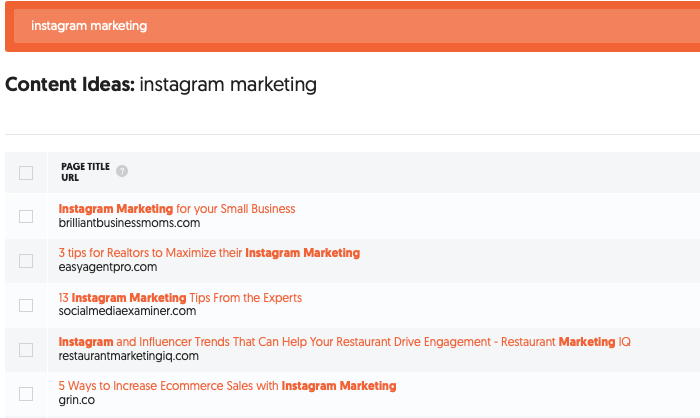
ubersuggest example of keyword research

If you use a few variations of a given keyword, you may come up with a vast number of ideas.

Aside from informational content, you might want to create humorous content as well. This kind of content can work well on TikTok since most people use the platform to have fun.

An example of humorous content might be a joke about your industry that your target audience can relate to.

If you find it challenging to create humorous content, think about using lots of effects when recording your videos.

For instance, you could use certain filters or songs for nearly all of your videos. In doing so, you may make your informational videos more engaging, even if the content itself is serious.

Use the Right Hashtags For TikTok SEO

If you want people to find your content on TikTok, you need to put some thought into TikTok SEO.

TikTok SEO simply means you’re optimizing your content so it’s found by people when they’re using the search feature on the platform.

Perhaps the easiest way to go about this is by using relevant hashtags whenever you post a video.

If you don’t know what hashtags you should use, type in a relevant, broad keyword within the search section on TikTok. When you do this, TikTok will suggest a range of hashtags associated with what you typed.
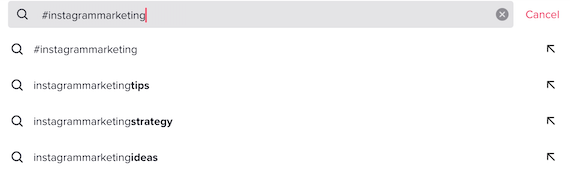
tiktok marketing hashtags

If you want to reach a broad audience, you might use relatively generic hashtags. A generic example of the hashtag shown above might be “#socialmediamarketing” or “#smallbusinesstips.”

There isn’t a limit to the number of hashtags you can use for a video. However, your hashtags will appear in your video’s caption, and captions are limited to 100 characters.

Therefore, you might just want to focus on roughly two to three hashtags, as this will give you some space to write a description for your video.

Partner With Other Creators Through TikTok Marketing Campaigns

If you’re struggling to build a following on TikTok, you might want to think about partnering with relevant creators on the platform.

For instance, if you’re in the digital marketing niche, you may want to create videos with other people within this field that have more followers.

You can find these individuals by searching for relevant content on TikTok.

When you come across someone who looks as though they’d be a good fit, send them a short, friendly message letting them know you’re interested in partnering.

This can be a bit of a numbers game, so it might be a while before someone takes you up on your suggestion. That said, as your follower count begins to grow, you may find more people are willing to partner with you because the benefits of doing so are now greater.  

TikTok Ads

TikTok ads are another great way to market your business on this platform.

One of the benefits of TikTok ads is you don’t have to spend a lot of time building an audience. You set up an ad campaign, and you’ll be able to reach your target audience—often within 24 hours.

TikTok offers five different kinds of ad products:

  • In-feed ads
  • Branded hashtags
  • Top View ads
  • Branded effects
  • Brand Takeover

Many small businesses find in-feed ads get the best results. Plus, the other ad products are typically only open to companies that have sizable advertising budgets.

If you want to set up in-feed ads, you first need to create a TikTok ad account.

After doing so, click on “Create an Ad.”

At the end of the signup process, you don’t end up with an ad account right away—you’ll need to wait until TikTok reviews your application. Once they’ve reviewed your application, you should receive an email telling you whether you’ve been given access.

With in-feed ads, your videos typically have to follow the same rules as “normal” content, so the video can’t be longer than a combined sixty seconds.

That said, TikTok recommends you make your ads run between nine and fifteen seconds in length.

Additionally, when setting up in-feed ads, you can select from a number of different advertising objectives.

You’ll also have access to relevant features after you pick the appropriate advertising objective.

For instance, if you use the “App Installs” objective, you can provide people with a direct link to your app store page.

When it comes to targeting TikTok ads, you typically have two options:

Interest targeting works similarly to Facebook ads. If you’re using this targeting method, you select an interest relevant to your target audience, and TikTok will show your ads to those people.

Behavioral targeting allows you to target people based on their behavior on TikTok within the past seven or fifteen days.

With this method, you simply select a particular behavior and a video category this behavior applies to.

By using this method, you can reach people who are actively engaging with the TikTok platform.

It’s also worth noting TikTok offers “custom audience” and “lookalike audience” targeting.

With custom audience targeting, you’re able to target people who have already interacted with your brand. This can include interactions both on and outside of TikTok if you provide TikTok with a customer email address list.

The graphic below highlights some of the options you have if you want to use custom audience targeting.
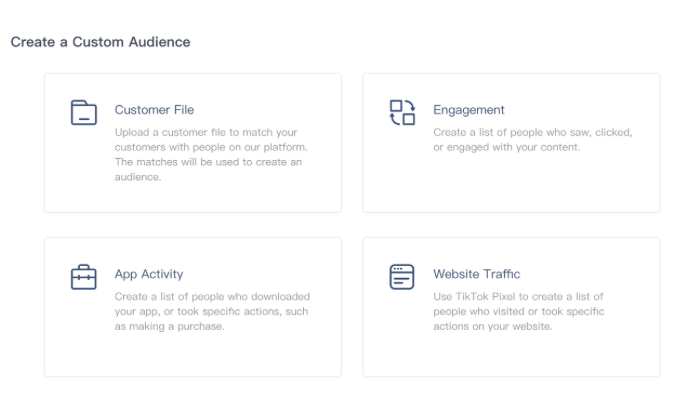
tiktok marketing ad audience examples

As mentioned, there is also something known as lookalike audiences. With this targeting method, you’re able to reach people similar to an existing audience.

This targeting method works well if you find the other targeting methods are starting to deliver subpar results.

If you don’t know how you should go about creating your TikTok ads, consider visiting the “Inspiration” section on the TikTok website.

In that location, you’ll be able to see examples of ads that have produced excellent results.

If you click on one of these ad campaigns, you’ll be able to see how the company went about creating a winning TikTok marketing campaign.

You can then use this information to help you create a winning campaign of your own.

TikTok Influencer Marketing

According to recent stats, nearly 86% of marketers have used influencer marketing to generate sales or brand awareness.

Influencer marketing is popular because it can be one of the fastest ways to generate results on a social media platform. However, sifting through influencers can be difficult, and it’s not easy to work out whether a particular influencer will deliver good results.

To address these issues, TikTok has developed the “TikTok creator marketplace.”

If you join this marketplace, you will see the metrics associated with a given influencer.
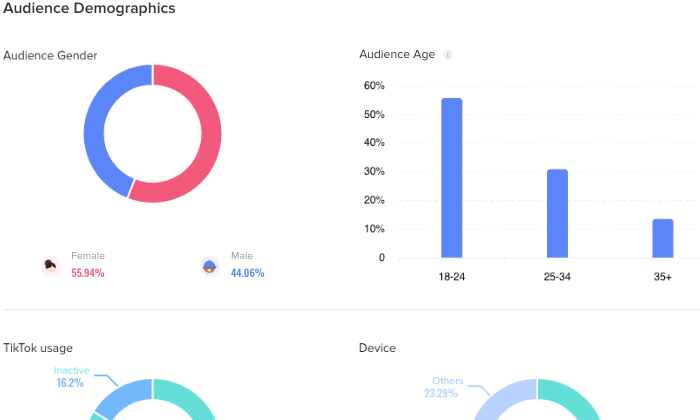
tiktok marketing influencer stats example

With this data’s help, it may be a lot easier to determine if an influencer is right for your product/service.

This may help ensure a good ROI if you embark on an influencer marketing campaign.

If you want to join this program, you’ll need to go to the creator marketplace and sign up for an account. TikTok will then notify you if it accepts your application.

How to Get TikTok Marketing Analytics Data

Analytics can be a big help, no matter what platform you’re using for digital marketing campaigns. In fact, two out of three marketers state their decisions based on data outperform their choices based on “gut feelings.”

If you want to get detailed analytics data on your TikTok videos, you need to upgrade your TikTok account to a “pro” account. This doesn’t cost anything.

All you have to do is go to the “Privacy and Settings” section on the app, click “Manage my account,” and you should see an option allowing you to enable the “pro” upgrade.

Once you click on this option, select a “category” to gain access to an analytics dashboard like the one shown below.
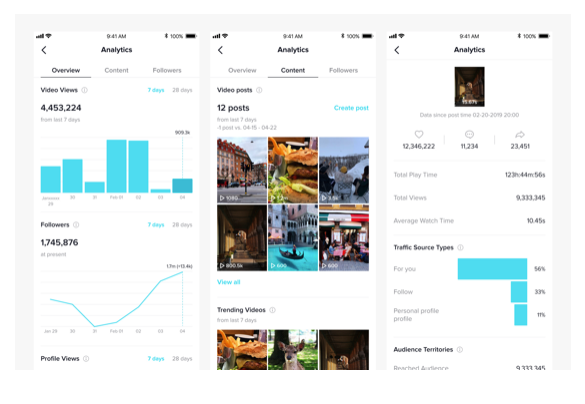
tiktok marketing pro account data example

If you keep a close eye on this data, you should be able to identify what is and isn’t working in your content creation. You can use these insights to improve the way you create content in the future.

One of the interesting things about the analytics section is you can access something known as “Followers Analytics.”

This section gives you insight into your followers, such as what your audience is watching (aside from your content) and when they’re most active. This information can also be used to inform your approach to content creation, as well as the times you decide to post new videos.

If you’re using TikTok Ads, you can use this information to help you do a better job when setting up targeting for your ads.

TikTok Marketing Best Practices and Examples

Now let’s talk about some best practices in regards to TikTok marketing, as well as some examples that show these practices in action.

First, we’re going to touch on the best time to post your content on TikTok.

The jury is still out on whether there is a specific time that works for everyone. Some experts feel you’ll get the best results if you post between 10 AM and 6 PM.

That said, this isn’t universal.

Over a given week, post videos at varying times to see what works best. You can then review your engagement stats at the end of the week, and this could give you a sense of what works best.

It’s also a good idea to create a detailed bio so people have some context on who you are.

You can use the bio to encourage a certain kind of action, such as joining your email list or following your account.

If you want to add a link to your website, you should use the dedicated website section in the “account preferences” area.

This will allow you to insert a clickable link right beneath your bio without sacrificing word count.

You should also link to your other social media profiles, as doing so might allow you to grow your followers on other platforms.

Another TikTok best practice is to jump on trends.

Often, you’ll find there’s a specific hashtag trending on TikTok. If you make a video based on this hashtag, there’s a better chance your video will reach a broader audience.

The easiest way to find trending hashtags is by going to the “search” section on TikTok, also known as the “discovery page.”

tiktok marketing for you page example

If you scroll through this section, you may find a few hashtags you can use.

Conclusion

In this post, we’ve explored how you can use TikTok as a marketing channel.

TikTok isn’t like the other social media platforms on offer, so it might be a while before you understand how TikTok works if you’re used to those.

That said, once you get it, TikTok can often work as a successful marketing channel. You may be able to reach a large number of people at a relatively low cost. This could allow you to surpass your competition, especially if they haven’t taken the time to learn how TikTok works.

Will you use TikTok as a way to market your business? Let me know in the comments!

The post 8 Useful TikTok Marketing Tactics appeared first on Neil Patel.


from Blog – Neil Patel https://ift.tt/36gSNWc

Monday, 28 September 2020

The 3 Best Analytics Companies of 2020

You likely already know how important creativity is when it comes to digital marketing.

However, coming up with great ideas – be that through content or ads – is only part of the story when it comes to driving results online. 

Another significant factor that will amplify your marketing efforts is the collection and leveraging of data.

In other words, to truly succeed with your digital marketing campaigns, you must utilize the best of the machine and human worlds. 

But perhaps you’re not a data kind of person, which is where hiring an analytics company comes into play – an option you may already be considering. 

Before you make this important decision, equip yourself with the information we’ve outlined in this article so that you can make the best choice for your needs. 

The 6 Characteristics That Make a Great Analytics Company 

When choosing the right analytics company to work with, there are certain characteristics you need to take into consideration. 

Not all agencies are built the same. It is safe to assume that most companies put their best foot forward for their clients, but there will always be variance in terms of what results you will get from each one. 

Consider the following factors.

They offer a full suite of marketing services 

You may already have your marketing strategy under control and may only need help to understand and leverage your data. 

But how can a company help you leverage your data if they have no experience in what the data should be used for? 

The point of data and analytics is to improve your decision making and inform your strategy. So, if you’re working with an agency to help you do so, they need to have some actual marketing chops. 

Make sure that the agency you want to work with offers other services besides analytics. This is a good indicator that the insights they produce from your data will actually mean something. 

They have a strong technology stack

It goes without saying, but if a company is promising to help you leverage data (technology), they will likely have the technology to do so. 

At the very minimum, your analytics partner should have their own proprietary platform that will be used as the central point for your data. 

But in the best case, the partners will leverage more advanced technologies, such as machine learning, that can help make better sense of the vast amount of data that you will have.

You will find that the best insights from your data come after the raw data is analyzed by a machine, and then made sense of by a human. 

The quality of that initial analysis, however, will depend on the quality of the technology that your agency partner has built. 

They have an all-star team 

Making sense of your marketing data is no easy task. It requires breadth and depth of skills as well as experience, all working together in a harmonious way. 

Make sure you check out the team on the about page and on LinkedIn, taking into consideration these factors:

  • Skills diversity – Making sense of data requires a symbiosis between the human and machine side of business. A good agency will have social scientists (or marketing experts), data scientists, and statisticians. 
  • Years of experience – How long has the team been operating? What are their backgrounds? The more industries and businesses they’ve seen, the higher the chance their insights will be valuable. 
  • Founders – The founders set the tone for the culture of the company. Try to find information on the background of the founder to get a better understanding of how they conduct their operations.

They have a strong roster of clients

One of the most objective ways to evaluate a company is to take a look at the clients they’ve worked with – and, most importantly, what results they’ve gotten for them.

Keep these things in mind:

  • Similar clients – If an agency mostly works with Fortune 100 clients and you’re a small startup, they probably won’t be a good fit. They likely will have their processes and expertise optimized for analyzing data at scale. 
  • Transparent results – Can the analytics agency demonstrate the results they’ve gotten in the past? 
  •  Experience with your channels – It’s no use to you if the analytics company you want to work with specializes in advertising analytics and you have a content-focused strategy. Check to see if they have demonstratable results and insights into your specific channels. 

They have a great communication style

If you’re a marketing leader or business owner, chances are you aren’t well trained in understanding and interpreting data. 

In this case, the analytics company you work with has to be able to make sense of your data and also deliver it in a way that you can actually use. 

To get an idea of this, take a look at how the company communicates with its audiences.

  • Blog posts – Is the agency creating content and educating their customers? Do they do so in a clear and simple, yet value-driven way?
  • Visualizations – Does the agency value data visualizations? Do they have any examples of how they visualize data in a user-friendly way?

They take a holistic approach to analytics

It is likely your business has a lot of data to work with. Oftentimes, insights come from unlikely places, such as comparisons between seemingly unrelated data sets. 

To get the most out of your data, your analytics agency will need to map out and architect your entire data ecosystem.

They will need to consider aspects of your business such as:

  • Customer profiles – Your customers will have data points in common, such as demographic information, which can then be used to inform PPC targeting, for instance. 
  • Marketing channels – Each marketing channel has its own set of data to be analyzed. Social media, for instance, has metrics such as engagement and likes, whereas email marketing focuses more on open rates and click-throughs. 
  • Website analytics – Your website will have metrics that can inform on everything from design to marketing. Data points such as website dwell time, page conversions, and heat map analytics come into play here. 

What To Expect From a Great Analytics Company

Each analytics company has their own unique process when working with clients.

The best analytics companies, however, will ensure their process is tailored to your specific needs.

They will also go to great lengths to ensure that you are kept in the loop as much as possible.  

Here’s what you can expect when working with a great analytics company. 

Onboarding and integration

At the beginning of your working relationship, your analytics partner should guide you through an onboarding process. 

Great onboarding sets the stage for future success, as it creates a solid foundation for your working relationship. 

  • Manage expectations – Both you and your analytics partner should clearly outline the roles and responsibilities of your relationship at the offset. Make sure you flesh out all the details, such as communication hours.
  • Integrations and set up – Depending on your marketing channels, there may be different assets your analytics partner may need to access, such as your Facebook Pixel. You will also need to be onboarded to their analytics platform.
  • Goal setting – If you haven’t already, you should have a strategy call with your partner and decide on a strategy and timeline for results. 

Auditing of processes and assets 

Before you start moving forward, the first thing your analytics partner should do is conduct an audit of your existing processes and data assets. 

Depending on your company stage, it is likely that you already have existing data that could serve as a starting point. 

  • Existing data across all channels – Your analytics agency partner will consolidate all of your data across all channels, bringing them into a single platform. 
  • Setting up tracking – In some instances, you may not have been tracking certain things. For instance, if you did not have Google Analytics installed on your site, your partner will help you set this up.
  • Problem solving – You may have attempted to leverage data and analytics before with limited effect. This could have occurred through your own means or another partner. A complete analysis of your previous attempts would need to be conducted to figure out what went wrong and how to get better results in the future.

Setting up marketing channels 

The best analytics company will be able to offer you additional marketing services such as PPC, content and SEO. 

The reason for this is simple: to better understand how to interpret the data and inform your strategy, your agency needs to have actual experience executing a marketing strategy. 

Elements of your marketing strategy that your analytics partner should help on include:

  • PPC – Performance advertising, such as Google or Facebook ads, requires a combination of analytics and creativity. Your partner will help you come up with winning ad ideas that are rooted in data. 
  • SEO – Analyzing the best keywords to target, as well as writing great pieces of content to rank in search engines, similarly reflects the importance of a holistic analytics partner. 

Data management and reporting 

Once your marketing campaigns are in full swing – and the appropriate tracking tools are in place – the fun part begins.

Now is the time to take a look at all the data you have been collecting.

If your agency partner is worth their salt, you should be looking at this data through their own proprietary software.

How this data is organized, analyzed and communicated is where you will really begin to see the difference in quality between different analytic agencies. 

  • Dashboard – When logging into your partner’s platform, you should be able to organize and navigate the different data sets for your marketing channels. 
  • Analysis – Depending on the technology used, you may be able to get instant insight into what your data means, or even compare it to other data sets in your industry.
  • Visualization – A powerful way to understand data is when it is visualized. Charts, graphs and potentially even custom infographics should be provided by your partner. 

Actionable Insights and Results 

However, collecting raw data isn’t enough. 

You need to make sense of that data so that it becomes useful.

Although your analytics partner may have sophisticated number-crunching technologies, there is still a need for a human to look over everything and create real insights.

At the end-stage of the process, your analytics partner will need to communicate to you the real meaning behind the numbers. 

  • Storytelling – Together, you will need to figure out what the data is really telling you. It is easy to point out that one advert is performing better than the other, but why? How do you find the logic behind the data?
  • Strategy – Once you really understand the data, you will need to turn those insights into a strategy. You may realize, for instance, that your entire approach has been wrong, or that there is an opportunity for a new product offering.
  • Execution –  Finally, you need to put your new data-driven strategy into action – either through your own team or with the help of your analytics partner.

The Top 3 Analytics Companies in The World 

With so many service providers to choose from, it can be difficult to narrow them down and finally choose one to go with. 

We’ve broken down the criteria that makes a great analytics company and combed through dozens of companies to find the best agencies today.

Each have their strengths and weaknesses, but regardless of whoever you choose to work with, you will be in good hands. 

#1 NP Digital – The Best for Marketing Execution

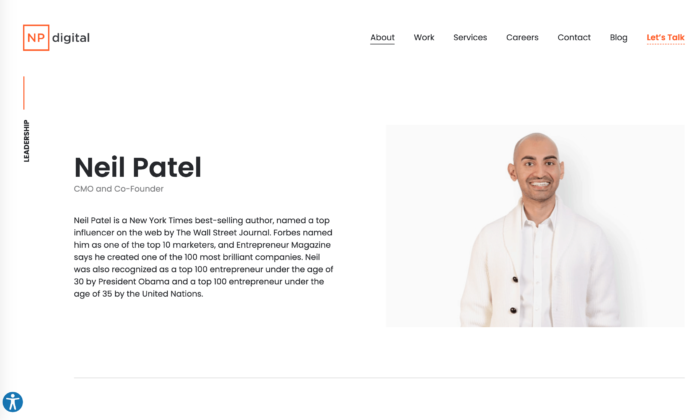
NP Digital is a marketing and analytics company founded by Neil Patel, and it is arguably the most recognizable and influential figure in the digital marketing space. 

The company was founded in 2017 and has over 44,000 followers on LinkedIn and over 100 employees. NP digital offers a full range of digital marketing services in addition to analytics.

Here’s what makes NP Digital one of the best analytic companies in 2020:

  • Founder expertise – Neil Patel is a rockstar in the digital marketing world, having started out in the space in 2001 as a teenager. The agency he founded has his fingerprints all over it, which means that you will be working with world class marketers and analysts. 
  • Marketing execution – NP Digital doesn’t just help you make sense of your data. They offer a complete suite of marketing services, from PPC to SEO. As digital marketing is the foundation of their operations, you can expect great results when combined with their analytics services. 
  • Great case studies – NP Digital often receives great reviews and has retained big clients as proof of their success. One client, for instance, has said that “NP Digital is one of the few consultant companies worth their fee”.
  • Press coverage – Neil Patel himself has been recognized by Forbes, The Wall Street Journal and the United Nations as one of the most influential marketers of our generation.
  • Education – NP Digital regularly produces educational content about all things digital marketing. This carries over to their customer relationships, where they position themselves as a teacher as opposed to just a partner.

Who should work with NP Digital?

If you need help with marketing execution in addition to data analytics, then you can’t go wrong with Neil Patel Digital. 

The company was founded by one of the most reputable figures in the digital marketing world, so when you work with his agency, you’re tapping into his years of insight.

There is, of course, a cost to this, however, so Neil Patel Digital is best suited for clients with a larger marketing budget.

Some of their clients include companies such as Viacom, Facebook and even Google.

So, if you head up a marketing team at a large organization and need an end to end marketing and analytics partner, look into Neil Patel Digital.

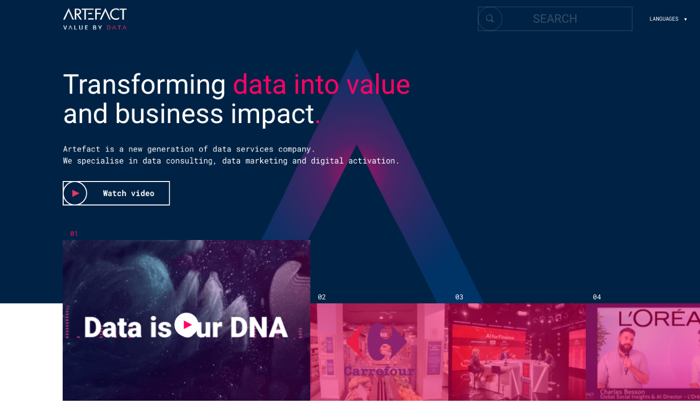
#2 Artefact – The Best for Technology

Artefact describes themselves as “marketing engineers” and puts particular emphasis on the technology behind digital marketing. 

In line with this identity, they have gone on to build a powerful suite of technologies, which they use to help their clients transform their data into business value. 

Artefact’s works across the entire organization to leverage data, tapping into the entire value chain of operations, IT, and marketing. 

Here’s what makes Artefact one of the best analytic companies in 2020:

  • Technology stack – Artefact utilizes some of the latest advances in AI and machine learning to create custom algorithms that help businesses accelerate data transformation and optimize their business processes. Known as their “AI Factory”, Artefact also works with cloud service providers like Azure to ensure they have a robust infrastructure. 
  • Big, diverse team – Artefact lists over 1000 employees on LinkedIn, which are composed of data scientists, software engineers, and business consultants. This allows Artefact to solve a wide range of needs across different industries. 
  • Solid case studies – Artefact has worked with clients such as FMCG to improve their digital processes. In this particular case, they received an “extremely positive response from [the] client, internal stakeholders, Amazon and even the industry and other vendors on Amazon NL”. 

Who should work with Artefact:

If you are a part of a large organization that is undergoing a digital transformation, then you should strongly consider Artefact. 

The approach and technologies that Artefact uses are also beneficial for organizations that have a lot of data that needs to be optimized across the board. 

For instance, companies that need to optimize their manufacturing processes or who need to react to market information. 

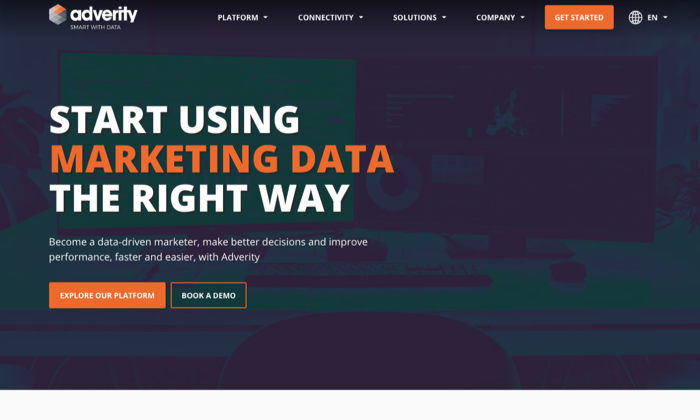
#3 Adverity – The Best for Small Businesses

In some cases, you may not want to work with an agency partner. Particularly for small businesses that don’t have large marketing budgets, analytics software can bridge the divide.

Adverity is a platform that allows you to collect all your marketing data into a single place. Their analytics tools allow you to break down silos in your organization and uncover new insights so that you can improve your decision making.

Although the Adverity team will help onboard you onto their platform, you won’t get the tailored and guided expertise that you would get from an agency such as NP Digital. 

Here’s what makes Adverity one of the best analytic companies in 2020:

  • Cost – If you want to delve into the world of analytics but don’t have a significant budget, Adverity will have you covered (to an extent). Their pricing works on a custom quote which is influenced by your industry, the size of your business, and what data sources you want to tap into. Keep in mind however that you won’t be getting the expert guidance of an agency partner like NP Digital or Artefact.
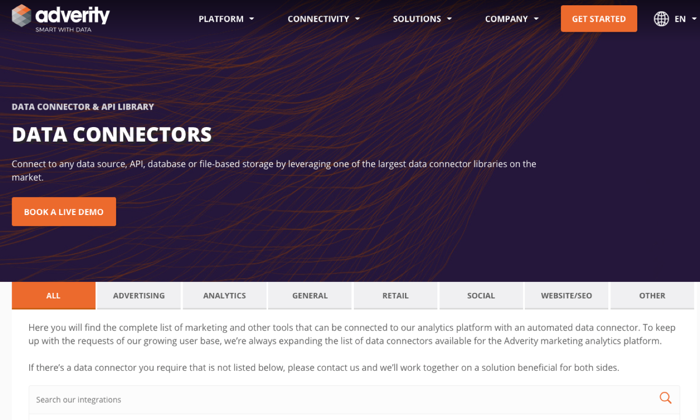
  • Holistic data analysis – Adverity has one of the largest data connector libraries on the market. You will be able to connect all of your data sources including your CRM, backend database, website analytics, and advertising. They’re always adding new integrations, so if you have a specific need they may be able to customize that for you.
  • Great reviews – On the software review platform G2, Adverity currently has a 4.5/5 star rating, with over 100 reviews. The reviews reflect a variety of businesses and use cases – from marketing agencies to political scientists. One of the most common aspects that reviewers noted is how great the connectivity of the platform is. 

Who should work with Adverity:

Adverity is best suited to small and medium-sized businesses who may not have the budget to work closely with an analytics partner. 

Keep in mind that as you will not have expert guidance, your marketing team will have to figure out how to make sense of all of your data, which is no easy task. 

Conclusion

If you leverage the research we’ve done for you in this article, you won’t have much trouble finding the right analytics company to work with. 

Regardless of your choice, remember that the goal of analytics is to inform your marketing strategy.

But data alone won’t guarantee that your digital marketing strategy will be successful. It must always be paired with creative ideas and rigorous execution. 

To ensure you can’t go wrong when picking an analytics partner, always keep the end goal of increasing conversions in mind.

The post The 3 Best Analytics Companies of 2020 appeared first on Neil Patel.


from Blog – Neil Patel https://ift.tt/2FYrgy5

How to Choose The Right Digital Strategy Agency

According to a recent survey from the DMEXCO, 70 percent of executives worldwide expect the pandemic to accelerate the pace of digital strategy.  In the past, businesses had more time to plan and prepare. 

That’s no longer the case. 

Today, businesses are expected to outline, plan, implement the digital strategy in a matter of days or weeks. The market is moving at an accelerated pace; many businesses find they’re unable to keep up. If you can’t keep up, does that mean you’ll be left behind?

Not if you have the right digital strategy agency.

With the right agency, you’ll be able to adapt to rapidly changing circumstances and events. Here are some steps you can take to find and vet the right agency. 

Know your goals and desired outcomes

Identifying your digital strategy is the key to long-term growth. 

Your digital strategy is about setting goals and objectives. It’s a high-level overview that defines where you are now, outlines where you’d like to go (as an organization), and how you’ll get there. It’s a long(er) term plan that sets a course or destination for you to follow before starting your journey.

You’re going to need a list of: 

  • Goals, KPIs, and objectives: For example, you could focus your attention on generating a specific number of leads, customers, or revenue. You’re running a SaaS business, focus your attention on reducing churn and increasing MRR. 
  • Target audience members: It would be best if you had a clear idea of the specific customer segments you’re looking to target. Your agency should help you with the demographics, psychographics, and ethnographics if you need help clarifying your audience. 
  • Customer hangouts: You’ll want to identify your customer hangouts and the places online where your customers spend their time. This will help you identify potential partners, advertising opportunities, and strategic alliances you can use to grow. 
  • Obstacles and challenges: You’ll want to outline the list of barriers and challenges that may prevent you from achieving the goals and objectives you’ve listed above. 
  • Competitors and key players: You’ll want to identify your competitors and their strengths and weaknesses. This reduces direct competition, making it easier for you to attract customers based on your strengths and the areas you perform best. 
  • Strengths and weaknesses: Point out the areas where you have an advantage in your market or where you’re most vulnerable. Your agency should be able to provide you with options to address each of these, so you’re able to outperform your competitors. 

If you have clear answers to these questions, it’s easier for your agency to supply you with the strategy you need to be effective. 

3 Characteristics That Make a Great Agency

Great agencies have a few characteristics in common. They’re able to focus their attention on the details that matter to your company and your customers. 

1. They ask probing questions

Your agency can’t create the right digital strategy for your company if they don’t have the answers they need. A great agency asks probing questions that may seem simple, dumb, or unimportant at first. You want your agency to ask these questions because these questions help them to develop an in-depth understanding of your business. 

Here are a few examples. 

  • What are your current benchmarks?
  • What are your goals and objectives for your business overall? For each segment?
  • Which KPIs or metrics are you using to measure performance? 
  • What do customers expect from your business?
  • Where do your customers spend their time online? 
  • Which marketing channels work best to attract customers?
  • What tactics should we use to achieve our goals and objectives?

Questions form the basis of your digital strategy; your digital strategy shows you where you are now, tells you where you’re going, and how to get there. Good digital marketing agencies should be asking these questions at the beginning of the engagement process. 

2. Ask your agency to give their strategy away

Your agency should be willing to share bits and pieces, showing you what a cohesive strategy could look like for you. This is important because it gives you several data points you can use to evaluate their work. This doesn’t mean that you should expect your agency to work for free; it just means they’re willing to demonstrate their skills.

Your agency can share this with you in several ways, over the phone, in your proposal or quote, or a case study. You’re looking for them to share pieces of their proposed digital strategy or examples from previous campaigns they’ve implemented for other clients.

  1. Request performance data from your agency
  2. Use performance data to evaluate their performance
  3. Pay attention to the campaign elements they prioritize consistently
  4. Look for knowledge gaps, holes in their strategy, or weak points
  5. Discuss the details you’ve noticed with them during the interview process

Another option would be to pick one part of your business (e.g., content or advertising) and ask your agency how they’d build a strategy to accommodate one specific goal (i.e., how would you increase sales for my worst performing products using content marketing?). 

3. Your agency knows how to implement 

Digital strategy is important, but it’s not as important as the ability to execute that strategy. A great strategy isn’t enough. Your agency should have the experience, skill sets, and team you need to implement your digital strategy and produce the results you need to grow. 

You’re looking for three things. 

  1. An agency that can create a comprehensive digital strategy that works with your existing marketing plan
  2. An agency that knows how to implement your digital strategy successfully
  3. A proven track record showing that they’ve achieved this for other clients in the past

Your agency should provide you all three of these, and they should be able to provide you with evidence showing that they offered other clients these as well. 

How to Work with a Digital Strategy Agency

As you’d expect with any other agency, you’ll want to see a list of samples, references, case studies, and reviews showing that they’re legitimate and competent. 

Ask your clients to provide you with a list of milestones and campaign deliverables.  You’re looking for a clear timeline that projects how long everything will take to implement, and when they anticipate, you’ll begin seeing results. Your plan should include details on: 

  • Media advertising: This includes commercials on tv or streaming services, as well as app, radio, podcasting, and sponsorship spots. This won’t be relevant for some, but it’s still something your agency should be able to support if you need it. 
  • Public relations: What will your agency do to generate press for your business? What strategies will they use to increase visibility and publicity for your business?
  • Digital marketing: This encompasses everything from local search, organic search engine optimization, content marketing, advertising, 
  • Direct response: This can include tactics like geofencing or hyperlocal print advertising; it’s a direct response option that’s designed to integrate with your overall strategy. This is especially important for local businesses that operate in a specific market. 
  • Partnerships: These partnerships can include tactics like JV partnerships, strategic alliances, or channel partnerships. These pieces are essential and should be an important part of your digital strategy.  

Your agency should be able to show you how they plan on approaching your campaign or project. Ask them to break down the approach that goes into their strategy documents; this document should clarify how they’ll approach your campaign, what you should expect, what their goals are, and more.

You’ll want to provide your agency with the following:

  • Agreements. It’s common sense, but it’s also something many clients ignore. Take some time to look over their agreement; look for red flags and trouble spots with legal before you sign. 
  • Brand content. Gather all of your content, brochures, flyers, guides, promos, images, logos, style guides, and marketing materials for your agency. 
  • Photos. Give your agency access to all relevant photography — company photos, portraits/photos of key people, office space, location, general and event photos, etc.).
  • Accolades. Make a list of the social proof your company has — awards, recognition, testimonials, praise, positive reviews, or feedback you’ve received. Give your agency with the assets and resources needed if they ask.

The digital strategy company you choose will provide you with a list of items they need and the options you need to implement their plan successfully.  

How to Find the Right Digital Strategy Agency For You

You can use directories like Clutch.co, HubSpot Agency Directory, or Sortlist to find the right digital strategy agency that’s best for you. Here’s a list of some of the best in the industry. You can go through the traditional RFP process or you can simply request a quote. 

The 6 Top Digital Strategy Agencies

Here’s a list of six of the top digital strategy agencies online. 

1. Neil Patel Digital — Best For Content Marketing & Digital Strategy

I’ve created more than 4,294 blog posts in 10 years. I’ve written millions of words, and I’ve used content marketing to build three companies of my own generating 195,013 visitors a month. I did the same things for large fortune 500 clients; now I can do that for your business too.

2. REQ – Best for Enterprise Business Strategy

REQ is an award-winning agency with enterprise-level expertise. They’re industry veterans with some of the best talents in the business. They’re part of the Inc.500 and Deloitte Fast 500 lists – they’re one of the fastest-growing companies in America.

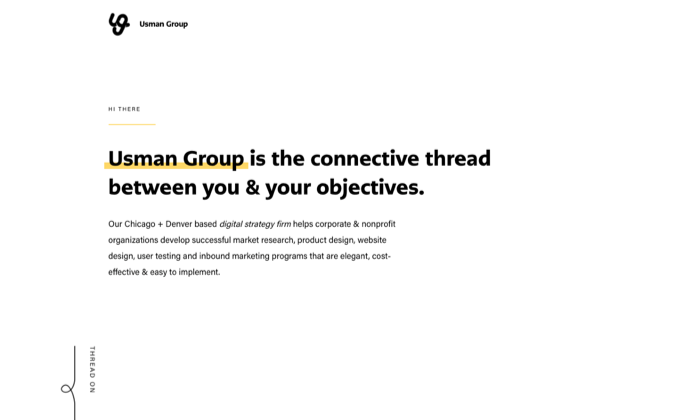
3. Usman Group – Best for Mid-market Business Strategy

With 80% of its clients in the mid-market range, earning between 10M – 1B, the Usman Group, specializes in digital strategy and market research. Their agency is oriented around design thinking; they produce projects that are evidence-driven, practical, and focused on research. 

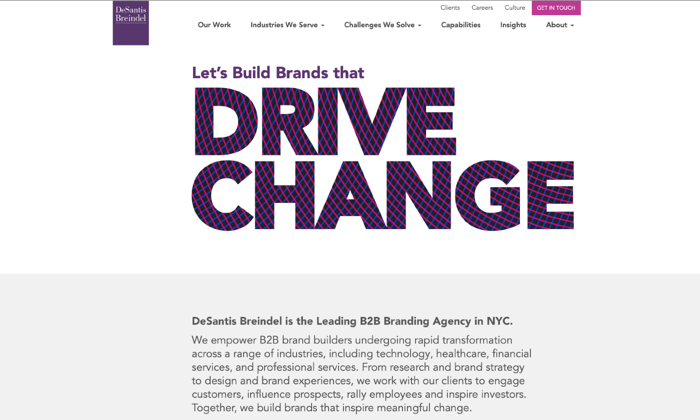
4. DeSantis Breindel – Best for Branding Strategy

DeSantis Breindel is a digital strategy company that specializes in end-to-end branding strategy. They’re focused on all things branding — they serve businesses via brand differentiation, brand valuation, brand launches, and employee engagement and more.

If your company relies on image and brand reputation, DeSantis may be a good fit. 

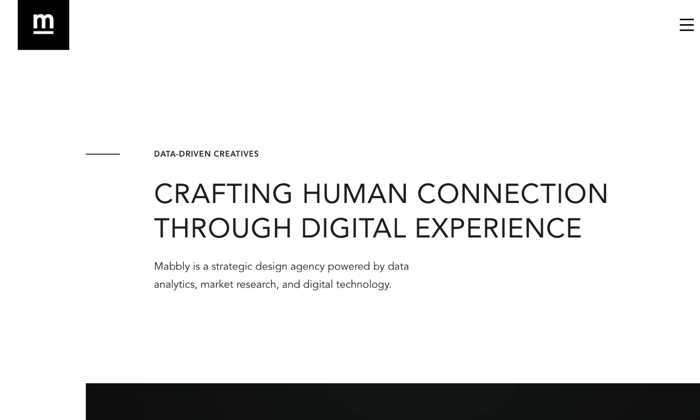
5. Mabbly – Best for Data Analysis, Channel Strategy

As a digital strategy firm, Mabbly emphasizes market research and data analytics. They specialize in converting large and complex problems into growth opportunities for established and up and coming brands. Their starting price is slightly higher but worth the investment if you’re looking for a data-driven approach. 

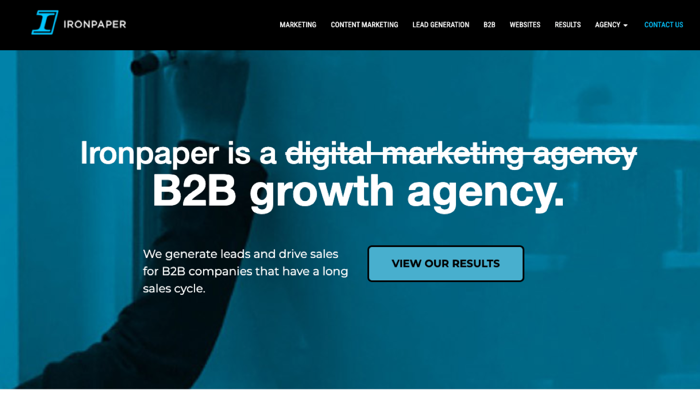
6. Ironpaper – Best for Small Business 

Ironpaper bills itself as a B2B growth agency. As a digital strategy firm, their conversion growth strategy focuses on gaining traction with growth up to 1 percent. The growth phase starts at 1 to 3 percent, with anything above 3 percent listed as scaling. 

Conclusion

Businesses have less time to adjust; now, more than ever before, customers are expecting companies to meet their expectations and needs immediately. Digital strategies that played out over the course of one to three-year cycle now finish in a matter of days or weeks. Business is accelerating as customers move more of their business online. 

Most companies will need help to keep up. 

If you have the right digital strategy agency, you’ll have the support you need to adapt to a rapidly changing market and events. Use this guide to find and vet the right agency for your business. 

The post How to Choose The Right Digital Strategy Agency appeared first on Neil Patel.


from Blog – Neil Patel https://ift.tt/2G6QIRV