FREE TRAFFIC TO YOUR SITE

FREE TRAFFIC TO YOUR SITE
free youtube traffic

Monday, 24 January 2022

Your Guide to Creating High-Performing Landing Pages

Your Guide to Creating High-Performing Landing Pages

Looking to drive more conversions but not sure where to start?

Landing pages are a key component to increasing conversions online—no matter what your goals are.

What exactly is a landing page, and (more importantly) how do you create an effective one?

Below, I’ll cover landing page basics, including tips to create a better landing page design, and tools to streamline the landing page creation and testing process.

What is a Landing Page?

A landing page is a single webpage that serves a single purpose—usually to drive conversions. Unlike your homepage, which might list all the services your business offers, a landing page encourages users to take one, specific action.

Here’s a landing page example for my tool Ubersuggest:
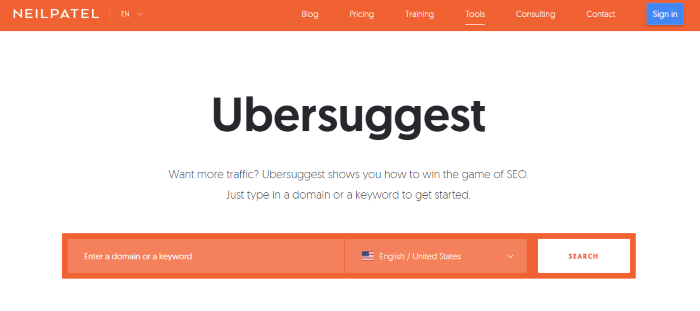
landing page example: ubersuggest

The page’s main goal is to encourage users to try out the tool by entering a domain or keyword. I also included a short description of what the tool does.

I’ve decided to keep the navigational buttons at the top, but many landing pages will choose to omit those entirely. I recommend testing both ways to see which drives more conversions for your business.

Why You Need Landing Pages

The main benefit of landing pages is to keep the user’s attention focused on one goal. They block noise and distractions that might pull users away from converting.

Here are a few other reasons why you need landing pages to succeed in digital marketing:

  • More Data and Insights: By tracking traffic and behavior on your landing page, you get unique insights into acquisition, user behavior, etc.
  • Improve Paid Ad Performance: Most paid ad platforms use a “quality score” to determine which ad to display. Ads that lead to relevant landing pages tend to have a higher quality score and thus are viewed more often.
  • More Conversions: Landing pages focus on conversions above all else. This sole focus helps lead users in the right direction without distraction. Use them right, and your conversions will go up. (We’ll talk more about how to do this later!)
  • Increase Brand Awareness: Landing pages use the same colors, tone, and logos as the rest of your website. This helps solidify your brand in the minds of customers and prospects.

Landing pages are also highly versatile. You can use them to increase email signups, drive sales, improve paid ad campaigns, and much more.

7 Tips for Creating Killer Landing Pages

Ready to create a landing page that drives business growth? These seven tips will help you create the high-conversion landing pages you’ve been dreaming of.

1. Include Clear Calls to Action on Your Landing Page

Call-to-actions (CTAs) are the most important part of your landing page.

Your call to action should be specifically tied to your goal and should be supported by everything else on your page, from the headline and body copy to images and overall layout.

Keep your CTA clear and make sure users know the next step. Here are a few CTA examples to test:

  • Buy Now
  • Sign Up
  • Get My (X)
  • Start Your Free Trial
  • Book an Appointment

Avoid bland CTAs like “Submit” that don’t tell users what the next steps are.

2. Keep Forms on Your Landing Page Simple

If your page includes a form, make sure it only asks for the most important information. If you’re trying to get visitors to sign up for an email newsletter, make sure you’re just asking them for their name and email address. Don’t overcomplicate things.

If you’re asking them to buy, then ask for billing and shipping information, and include a confirmation screen before they place their order. Wait until after they’ve placed their order to ask for additional information.

Asking for too much information early on decreases the chances a user will complete the action you want them to take.

3. Ensure Landing Page Copy is Clear and Concise

Leave the creative turns-of-phrase for your blog.

Landing page copy should be clear, easy to read, and make a specific point. Use bullet points, headings, and bold font to make content easier to read.

It’s pretty safe to assume that most people who visit your landing page already have some interest in what you have to say since they’ve clicked through from a PPC ad or email. However, just because they’re interested when they arrive doesn’t mean they’ll stay interested if you don’t get to the point.

Every single sentence and word on your landing page should serve a purpose, and that purpose should be to support your call-to-action. If it doesn’t do that, cut it.

4. Include Vital Information Above the Fold on Your Landing Pages

While there’s a lot of debate as to the importance of “the fold” in web design, landing pages are one area where the fold is crucial.

Your CTA should be located near the top of the page, where someone can click it without having to scroll.

This doesn’t necessarily mean that your visitors won’t scroll down the page to read more information.

Hopefully, at least a small percentage of your visitors will be ready to buy as soon as they arrive on your landing page. Either because the email or link that brought them there already persuaded them, or because it’s not their first time visiting one of your landing pages.

5. Ensure Your Landing Pages Have the Same Look and Design as Your Campaign/Ads

If your page is tied to an email campaign or PPC campaign, make sure the landing page echoes the look and feel of the ad or email.

If the designs of the two are wildly different, your visitors may wonder if they’ve ended up in the right place. The easiest way to do this is to carry over fonts, images, and colors from your campaign to your landing page. This is especially important for paid ads, as it can increase your quality score.

6. A/B Test Your Landing Page

Finding the most effective landing page design is a matter of trial and error.

A/B testing means running two different landing pages and changing just one element to see which performs best.

For example, you might use two different images and see which one drives the most conversions.

A few other features to test include:

  • CTA
  • heading
  • button size and placement
  • number of form fields
  • images
  • right, left, or center column design
  • colors

Just remember to test each variant one at a time—if you change five different elements, you won’t know which impacted conversions.

7. Use Minimal Images and Large Font on Your Landing Pages

Aim to use one or two images, no more. Visual clutter detracts from the message and CTAs.

Larger font sizes are also a good idea to keep visitors’ eyes focused on what matters and reduce eye strain. Just don’t go overboard and put everything in a headline-size font—no one wants to be yelled at.

The ideal line length for copy readability is 39 characters, so size your font (and column width) accordingly.

Landing Page Creation Tools

You could create your landing pages from scratch, but most of us don’t have the time or the expertise to spend hours coding every time we need something new.

The good news is, there are several tools that make landing creation super simple. Here are a few of my favorite landing page builders and why I like them.

1. Swipe Pages

Swipe Pages is a landing page tool dedicated to creating high-performance landing pages. Where other tools include basic landing page creation in addition to other tools, Swipe Pages focuses specifically on building the best landing pages.
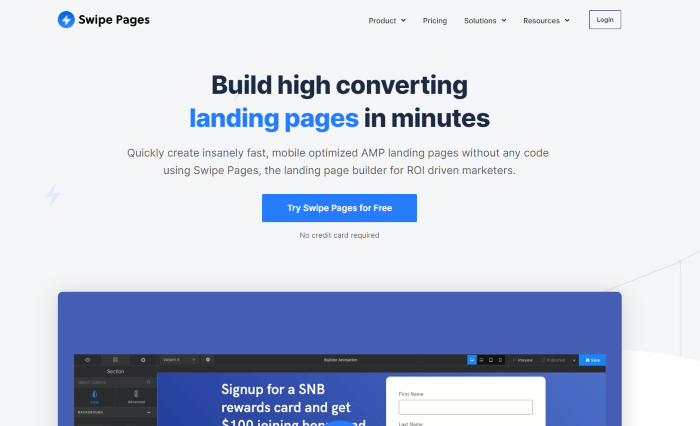
swipe pages landing page tool

Features include tons of templates, a drag and drop editor, a countdown timer, and the ability to add features like forms, carousels, pricing tables, and more—without any coding.

They also offer A/B testing tools, dynamic text features, and faster loading times to give you an edge over your competition.

2. Hubspot

Hubspot offers a free landing page tool. Features include a library of mobile-optimized templates, drag and drop editors, forms, and plenty of customization options.
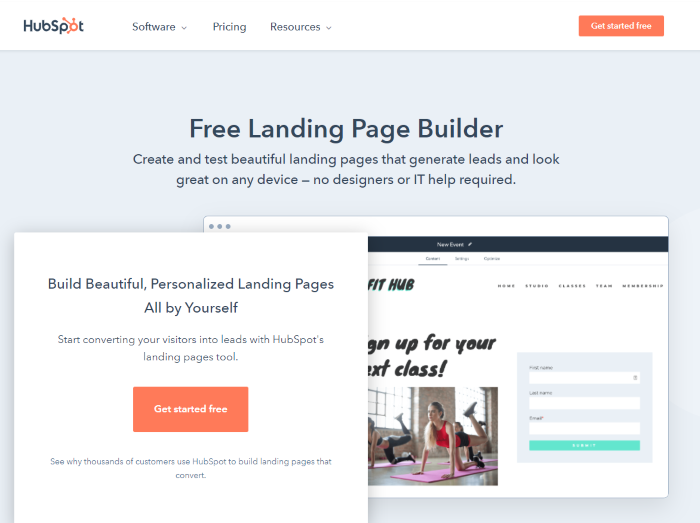
hubspot landing page tool

It’s worth noting the free version has limited features. You’re also limited to 20 landing pages with Hubspot branding, and can’t use a custom domain.

To get access to features like dynamic content, testing, and optimization features, you’ll have to pay for Hubspot. Paid plans start at $45 per month.

3. MailChimp

MailChimp is best known for their email marketing tools, but they also offer a landing page builder. Features include a wide range of templates, landing page analytics (such as visitors, clicks, and conversions), forms, and testing capabilities.
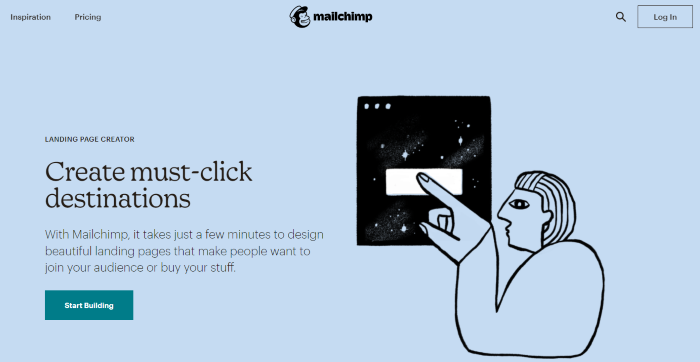
mailchimp landing page tool

Mailchimp allows you to create unlimited landing pages for free, which is nice. But to access branding-free pages and additional features, you’ll need a paid plan, which starts at $11 per month.

If you already use Mailchimp for email marketing, it’s worth checking out their landing page tool.

Examples of Great Landing Pages

What makes a good landing page? The truth is, different strategies work for different businesses. Let’s take a look at three successful landing pages and discuss what works to give you some inspiration when creating your own.

We Can Code It

We Can Code It connects people with coding boot camps. This landing page is for an ad that displayed for the search “coding boot camps near me.”
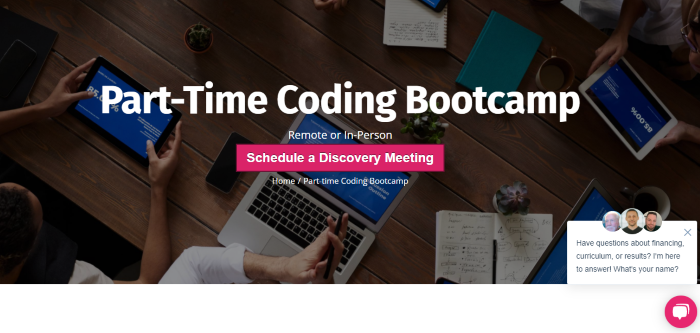
part time coding landing page example

The landing page keeps it simple, with only a few lines of text. The image is a little busy, but the bright pink button stands out. The copy is clear and concise—there’s no question what they are promoting. I also like the pop-up chat box where users can get more information.

I do think the button text could be shorter—it’s a little long and not super clear. However, they might have tested and found this text drives more conversions!

SEMrush

SEMrush is an SEO platform, so I figured they’d have pretty solid landing pages. Here’s one for their tool that showed up as an ad in organic search:
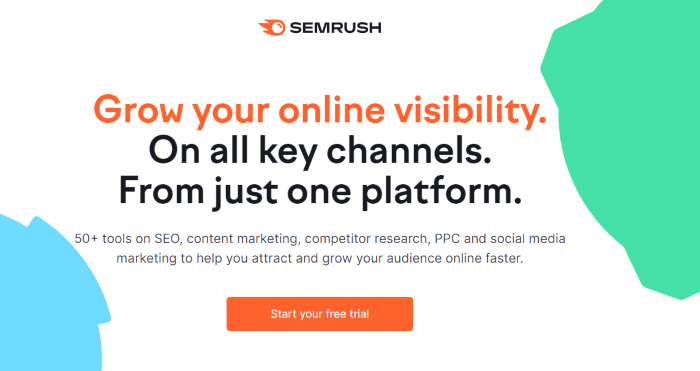
semrush landing page example

This one has more content than most landing pages, but the size differences make it easy to read. The button is bright (and on-brand) and makes it clear what your next step would be.

The main headline focuses on the benefit—grow your online visibility—and the third line focuses on another key benefit—you only need one platform. That’s appealing to marketers who are juggling a ton of tools.

Bullet Journal App

Here’s an example that breaks some of the rules, but still works well, in my opinion.

Bullet Journals are a popular style of journaling that helps users stay organized using lists. They also have a companion app. Here’s their landing page for the app:
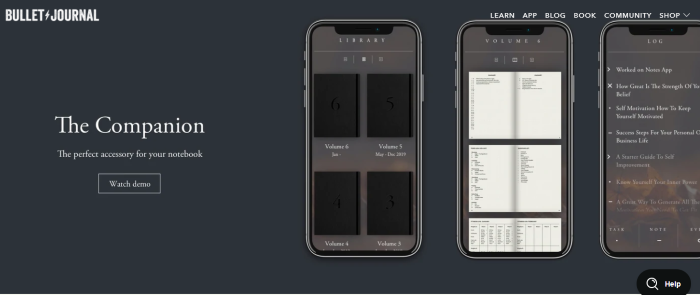
bullet journal landing page example

Like other landing pages, the content is limited. They use a heading, CTA, and images to show how the app works. Their CTA is “watch the demo,” which is a bit softer compared with what other brands typically use. I suspect they’ve done the research and realized that people on this landing page aren’t quite ready to buy.

The content is pretty sparse; they don’t describe what the companion is or what it does, really. However, I suspect that’s on purpose—people are pretty obsessed with their bullet journals, so page visitors already know what to expect.

This landing page is a perfect example of why A/B testing is crucial—you might be surprised about what works for your business.

Frequently Asked Questions About Landing Pages

Should you optimize your landing pages for SEO?

Yes, landing pages should be optimized to increase organic traffic. Even if your landing page is for a paid ad campaign, focusing on SEO can increase traffic and trust in your landing page.

What should a landing page include?

The main components of a landing page are a headline, subheadline, and CTA. Depending on your goal and what A/B testing tells you, a landing page might also include images, bullet points, etc.

Does Google like landing pages?

Google doesn’t inherently like or dislike landing pages. Landing pages do tend to have less content and fewer links, which are main search algorithm ranking factors. However, a well-optimized landing page can still rank well in organic search.

How many landing pages should you have?

Landing pages focus on just one goal, which means you should have one landing page for each goal. For example, you’d want a landing page for a free trial, a landing page for webinar sign-ups, a landing page for ebook downloads, etc.

Conclusion: High-Performance Landing Pages

Landing pages are a core component of online marketing. Whether you’re trying to gather email addresses, host webinars to gain leads, or want to sell more products, you need to get familiar with landing pages.

Here’s the thing most people don’t realize—landing pages can be really simple to create. Don’t spend hours debating which heading to use. Instead, use one of the tools listed above, create two versions of your landing page and let your A/B test run.

Get a winner, create a new test, rinse and repeat. Eventually, you’ll have a killer landing page.

Have you created a high-converting landing page? What change had the biggest impact on conversions?


from Blog – Neil Patel https://ift.tt/3vK3mdM

What Do You Think about the Recent Google Update?

Every other week there’s an (unconfirmed) Google update that is widely discussed around SEO forums and communities.

What do you do when you hear about a potential Google algorithm update?

Jim Boykin, CEO of Internet Marketing Ninjas, and Ann Smarty, IMN’s analyst discuss Google’s update and how to react to yet another one:


Question: What do you do when there’s another Google algorithm?

The short answer is: Nothing special.

There’s no point in going crazy about Google updates these days for two main reason:

  • There’s something happening every week, if not day. It is impossible to keep up. It is smarter to use these efforts and resources elsewhere.
  • At the end of the day, what’s the point in knowing when there’s an update because there’s no longer one clear fix to any of those.

Google is making changes every day.

Gone are the days when you were able to identify a type of Google update by looking at the day when you have been impacted. If it were Panda, there was something wrong with your content. If your site’s traffic declined on the day of one of Penguin updates, the problem was links.

These days it is all fuzzy.

First of all, for most updates you will not see a drastic change in traffic or rankings these days. It is a slow decline that happens over months.

If your traffic dropped considerably within a day, it is unlikely an update that caused the drop.

Google’s core updates cause a slow loss of rankings which is very hard (if not impossible to pinpoint it to one day).

And likewise it is impossible to identify one single thing to fix.

You have to look at everything.

What’s the user experience? Does your content serve a user intent? How are your backlinks?

It is the same process that works whether you were impacted by an update (or you think you were) or if you just want to hire an SEO agency to grow your organic traffic.

You have to apply all your knowledge about all past updates to every site and improve all aspects of SEO.

So whether your site was affected by Google or not, a consistent and comprehensive SEO strategy is what you need to do.

The post What Do You Think about the Recent Google Update? appeared first on Internet Marketing Ninjas Blog.


from Internet Marketing Ninjas Blog https://ift.tt/3rMJE0t
via IFTTT

Friday, 21 January 2022

Structured Data Vs. Unstructured Data: How to Make This Work for Your Website

Structured Data vs Unstructured Data: How to Make This Work for Your Website

When you’re starting a website, the first thing on your mind probably isn’t structured vs. unstructured data and how it affects your website.

However, the way your information is presented is important. Understanding the distinction and being able to use structured data on your pages can make a big difference to your success.

Here’s what you need to know about structured data vs. unstructured data.

Key Differences Between Structured and Unstructured Data

Structured vs. unstructured data isn’t just a phenomenon in SEO.

It’s a distinction that affects every type of data. For example, on your phone, your contacts are a form of structured data (the names and numbers are categorized into specific fields), but the photos (assuming they have no time or location tags) are considered unstructured data.

  • Defined vs. undefined: Structured data fits into predefined models and formats, allowing other applications to understand it better. Unstructured data does not have a predefined model. In SEO, the model we use to interpret structured data is Schema.org, which enables all the search engines to better understand the data of a web page.
  • Qualitative vs. quantitative: Unstructured data tends to be qualitative—social media interactions, interviews, images, etc. Structured data is more quantitative, using numbers and predefined fields.
  • Differences in storage: Unstructured data can be very complex and require a lot of storage space (think about the images on your site). This unstructured data is normally housed in data lakes, whereas structured data, which is much easier to store, is housed in data warehouses.
  • Ease of analysis: Because structured data fits into predefined models and formats, it’s much easier to analyze. In SEO, structured data signals to search engines what a specific piece of information is about so it can be easily understood and served to the public.

What Is Structured Data?

Structured data is data that fits a predefined model or format.

Think about when you pay for something online. You have to fill out a form with your name, contact number, address, and credit card details. You enter each piece of information into clearly defined fields, and each piece of information is saved as structured data.

This makes it easy to search, analyze, and ultimately pull information. If you want to find out how many customers have a 630 area code, you can quickly do that.

If this information was stored in an unstructured way, such as a photo of a person’s business card, then it would be much more challenging to analyze and group the data.

The same principles apply to SEO because Google and other search engines are trying to analyze and group the data on your website.

We already know the importance of structure for SEO when it comes to things like navigation, headings, meta descriptions, and alt texts, but structured data in the form of Schema.org takes this a step further.

If you’re not sure whether you’re using structured data properly, some handy tools like Google’s Structured Data Testing, SNIP WordPress plugin, or Yoast can help.

Pros and Cons of Structured Data

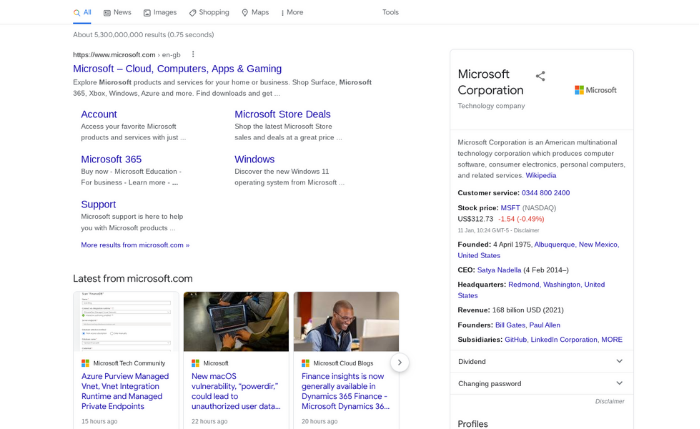
If you look at a search engine results page today, it looks very different from what it did 10 years ago. Back then, SERPs were mostly links and texts, but today, they’re much more interactive. They’re able to pull information from websites to offer you features like rich snippets, frequently asked questions, knowledge graphs, local results, and much more.

Getting your website to feature in these rich results can bring a lot of exposure to your website.

Structured data vs unstructured data - rich results

To show this information, Google has to be able to understand your data, and when it comes to structured vs. unstructured data, structured data is the winner. It’s a way of communicating with the search engines that means bots don’t have to assign meaning to every single word.

The search engine can then use this information on the results pages, giving you extra exposure and attracting visitors to your website.

There aren’t really any cons to structured data. The one thing that probably puts people off is the fact that we’re talking about code. However, as I always point out, you don’t have to know how to code to create a successful website today. Many apps and plugins can take care of structured data for you, without you having to worry about coding or HTML.

When to Use Structured Data

There are lots of scenarios where it can be beneficial to use structured data on your page.

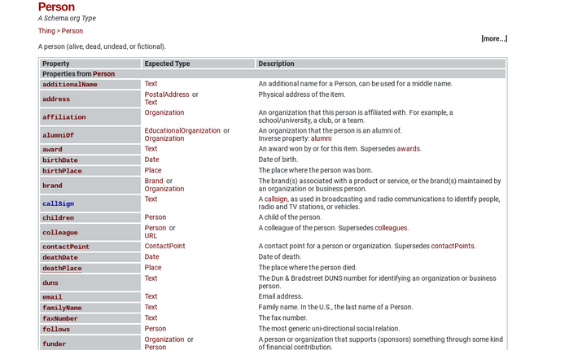
For example, you can use schema markup to highlight information about a corporation or person, provide local business information, include important product information, and add recipe instructions. Google can then use this information in its results, allowing you to engage people with data that answers their questions.

Structured data vs unstructured data - Schema.org

Some of the most common uses of structured data include:

  • recipe schema markup
  • event schema markup
  • video schema markup
  • article schema markup
  • breadcrumbs schema markup
  • product and offer schema markup
  • local business schema markup
  • person schema markup
  • organization schema markup

What Is Unstructured Data?

Unstructured data is undefined data that has no set format.

This makes up the majority of data in the world, and the challenge is, what do you do with it? Modern businesses store so much data, but if unstructured data is hard to analyze, then what use is it?

We are getting better at analyzing unstructured data like audio, images, and text that’s not been organized in a specific way, but it’s still challenging. To get insights from this data, we need advanced technology like machine learning and natural language processing.

Think about how driverless cars learn to navigate the roads. They go through thousands of hours of driving footage using machine learning to pick out hazards. It’s complicated stuff!

Google and other search engines have been working on analyzing unstructured data for a long time, sending bots to crawl your website and paint a picture of what it’s about. They’re getting better at this all the time, but unstructured data is still challenging.

Pros and Cons of Unstructured Data

There are lots of times when we use unstructured data because there’s no real need for it to be analyzed. When you send an email, take a picture, or create a voice note, the first thing on your mind isn’t structure.

When it comes to SEO though, you always have to have one eye on structure, because without it, Google is going to have a hard time understanding what your page is about.

How often do you come across a page that’s completely without structure, such as a page that’s just a big block of text with some images thrown in? You probably don’t see pages like that very often because they’re hard to index (as well as provide a poor user experience).

This is why even if we’re not using structured data in the form of Schema.org, we are using semi-structure in the form of meta descriptions, H1s, H2s (here’s how headers impact your SEO), alt text, and more.

Unstructured data is convenient because we don’t have time to structure every piece of data, and in many cases, there’s no need to do so. However, in SEO, we do need some level of structure, at least on a page level.

When to Use Unstructured Data

Not everything you put on your website is going to use structured data. You can’t mark up every paragraph and assign meaning to it; sometimes a paragraph is just a paragraph, and that’s fine.

Search engines do have the ability to understand what your text is about. It might not learn as much as it does through structured data, but it still helps it to assign value and understand what your pages are about.

The balance of structured data vs. unstructured data on your website is going to lean towards unstructured, just because everything you write doesn’t need to fit a defined model. Use the structured data to highlight the most important parts of your page, and don’t worry about marking up every little detail.

How to Prepare Your Website for Future Structured, Unstructured, and Semi-structured Data Best Practices

If we look at the evolution of the SERPs, it’s evident that structured data plays a much bigger role than it used to.

Structured data might not be a ranking signal, but it does allow Google to use your data to fill its rich features. These rich features appear on virtually every results page, so they’re something that’s going to have a big impact on your website’s visibility (the difference between featuring on a local business pack, or not, for example, can be huge.)

The good thing is that the nature of structured data, with its clear structures and formats, means best practices aren’t likely to change dramatically with time. All of the search engines work with Schema.org, and it’s a very accessible, collaborative “organization.”

If and when changes are made, you can easily find out on the Schema.org website and adjust your approach accordingly, and of course, the apps you use to help you with structured data will keep updating.

Likewise, semi-structured and unstructured data are always going to play a part. You can’t structure every single word on your website, so it’s about following established SEO best practices and focusing on what gives your visitors the best possible user experience.

How to Implement Structured Data

Structured data can help you organize information on your website and communicate more efficiently with the search engines, but how do you implement it?

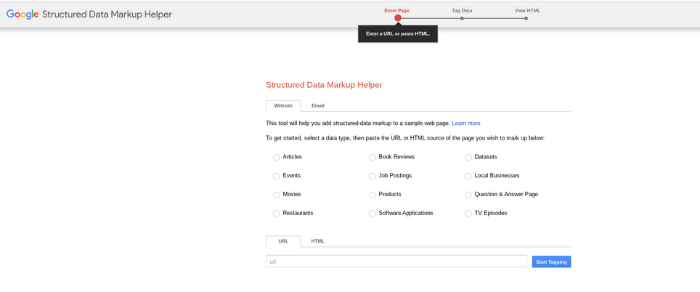
Structured vs unstructured data - schema markup
  1. Open Google’s Structured Data Markup Helper. This is a free tool that will help you create the code for your structured data.
  2. Select the data type you want to use and add the URL for the page. This will automatically collect any existing formatting.
  3. Highlight page elements and assign tags. From this page, you can highlight elements like images, sentences, and paragraphs, and assign tags to them.
  4. Create the HTML. The tool will create a snippet of code for you to add to the header of your page.
  5. Copy the HTML and add it to your page. You can add the HTML into your source code or CMS.
  6. Test your structured data using Schema.Org’s Schema Markup Validator. You can enter your URL or the HTML code to test whether the structured data is showing properly.

This process makes it simple to add structure to your data and helps Google understand crucial details about your pages.

Structured Data Frequently Asked Questions

What are some structured data testing tools?

The most simple tool is Schema.org’s Schema Markup Validator, which gives you a quick, easy analysis of how your page uses structured data. Other options include Schema App, Yoast, RankRanger, or a Chrome plugin.

What is a structured data example?

A good example of structured data is the recipe schema markup. This allows you to add ingredients and recipe steps among other information that can then be displayed in search results.

What is the use of structured data?

Structured data makes your data easier to analyze. In SEO, this means search engines can better understand what your page is about and use important information in the SERPs.

Is structured data good for your SEO?

Structured data helps Google understand what your page is about, which benefits SEO. It might not be a ranking factor, but it does help Google show your data in its rich results.

Conclusion: Structured Data

How you structure information is important in SEO. You want to make it as easy as possible for search engines to interpret what you’re talking about, and structured data can help you do this.

The format that we use to structure data in SEO is called schema, and many tools can help you use this “language” effectively. If you do, then your website will be able to show in rich results that can catch the eye of searchers and attract visitors to your website.

Structured data might be a small detail, but it can make a difference to the success of your website.

Are you using structured data on your site?


from Blog – Neil Patel https://ift.tt/2mYCmnI

How to Identify and Avoid Fluff Content for Better Rankings in Google

What is considered SEO-friendly content? This concept has changed a lot since SEO started.

Have you been keeping up?

How much content do we need for Google to “like” our pages?

Whatever you do, don’t create “fluff” content, says Google’s John Mueller on Twitter, so Jim Boykin, CEO of Internet Marketing Ninjas, and Ann Smarty, IMN’s analyst got together to discuss “fluff” content:


And here’s the article we were discussing: Google: Fluff Content Hard For Search Engines To Understand & Maybe Rank 

What is fluff content?

That is not an easy question. As far as we understand, “fluff” content is text one creates in order to better optimize a page for Google without taking the actual web user into consideration. 

In other words, fluff content is content that doesn’t meet search intent and exists mainly to reach a higher word count.

Fluff content exists because at some point SEOs started consolidating their websites and creating those “ultimate” guides which are thousands words long.

There were a series of SEO studies showing that long-form content ranks higher, and SEOs went overboard adding lots of – often irrelevant – content to product pages and category pages.

How much content do we need on a web page?

Your content needs to be as long as it needs to be to satisfy a certain user intent.

For example, if you are optimizing a product page selling blue widgets, “history of blue widgets” would be fluff content. 

Providing useful information helping a user to make up their minds and buy blue widgets is useful content.

There’s no one single rule that you could use to optimize your pages.

As long as you prioritize your target customer and provide useful (and hopefully unique) information, you are good.

How about link building content?

In rare cases you can combine content that targets customers and content that targets links. But it is very rare. In most cases, you will have to create content specifically to get our site linked to.

Whether you target niche experts, journalists or college professors, that link building content needs to keep that target audience in mind.

Conclusion

Content should serve a purpose, and that purpose shouldn’t be “for Google to crawl.” As long as your content serves a customer or a publisher (who can link to it) and it does a good job, don’t think about word count and if that content is enough.

Watch the video: Fluff Content: How can it impact your Google rankings

The post How to Identify and Avoid Fluff Content for Better Rankings in Google appeared first on Internet Marketing Ninjas Blog.


from Internet Marketing Ninjas Blog https://ift.tt/3qNMKCg
via IFTTT

Thursday, 20 January 2022

10 Brilliant Social Ad Strategies to Outsmart Your Competition [Free Webinar on January 25th]

10 Brilliant Social Ad Strategies to Outsmart Your Competition Webinar

Global usage of social media, which was already high, exploded during the pandemic in 2020. In fact, as of 2021, 69 percent of North Americans used social media – and these numbers will likely continue to climb as new features and social media platforms are released.

Other mediums, like radio and tv, saw a 4 percent decline in reach during the pandemic, highlighting the importance of using social media to reach your audience.

If you are not already using social media for your business, now is a great time to start and leverage the massive audience available to you.

Whether you are a marketer or a brand looking to revamp your social media strategies, we have good news for you: Neil Patel is hosting a live webinar to show you some innovative social ad strategies you can use to beat your competition. He will share ten ideas that his agency NP Digital uses to help clients expand their reach and increase conversions.

Join us on Tuesday, January 25th at 8 am PST for a FREE webinar on 10 Brilliant Social Ad Strategies to Outsmart Your Competition!

Why Having a Social Ads Strategy Is Important

One of the top benefits of advertising on social media is you are able to target specific audiences with your ads.

If you run ads on TV, radio, or another medium like podcasts, your targeting ability is narrowed to those who listen to or watch the same program. You do not have the ability to customize your message based on the type of person you are interacting with.

With social media, on the other hand, you can target your ads to users based on criteria like:

  • age
  • gender
  • location
  • interests
  • education
  • job title
  • users who have made purchases from you in the past
  • users with behavior similar to those who have made purchases from you in the past

By introducing these targeting features to your ads, you will be able to expand your brand’s audience while sending more qualified traffic to your website, increasing conversion potential every step of the way.

Another benefit of paid social media ads is your ability to engage with your audience. With other mediums, you create and run your ad and hope for the best. With social media ads, you can interact with your audience and see their reactions in real time. You can also test your ads and make quick adjustments if necessary.

Social Media Platforms Covered in the Webinar

In this live webinar, Neil will highlight unique strategies for advertising on Facebook, Instagram, SnapChat, LinkedIn, TikTok, YouTube, and LinkedIn.

Every social media platform is unique with a different type of audience. The type of user you will reach on Instagram or Snapchat is different from the user you will reach on LinkedIn or Twitter. Understanding how you can approach each platform will help you stand out from your competitors.

Neil will also touch on how some strategies can be used across different platforms for even better results.

Who Will Benefit from Learning New Social Ad Strategies?

New and existing social advertisers or marketers who want to learn new strategies will benefit from attending this webinar. Even if you have a lot of experience running social media ads on different platforms, you will learn some new strategies that will help take your conversions (or your client’s) to the next level in 2022.

If you are someone who has started to notice a drop in ROAS from your ads, you also stand to gain a lot from this webinar. Neil will teach you some new approaches to advertising on social media platforms you already have experience with.

If you are a business owner who is looking to increase market share in your industry, you also stand to benefit from this webinar. You will not only learn how to get more success from your current social ad campaigns, you will also learn how to outsmart your competition along the way.

What Businesses Will Benefit from New Social Ad Strategies?

In short: all types of businesses.

While the platforms you choose to work with will vary depending on your target audience and goals, any type of business can benefit from dedicating some of their ad spend to social media.

Let’s dive into some specifics.

If you’re an ecommerce company, Instagram could be an excellent platform for your ads. The visual component of the platform lets you showcase beautiful product images that captivate users and can even allow them to access your very own Instagram shop directly from your ads.

How can you stand out from the competition you may wonder? We will teach you in the webinar.

Platforms like Snapchat and TikTok have gained a lot of popularity with younger generations like millennials and Gen Z. So if you are an ecommerce company or brand focused on targeting younger audiences, advertising on these platforms might be the choice for you.

Our webinar will show you how to capitalize on unique trends and features from Snapchat and TikTok which you can leverage to reach a wider audience in 2022.

Are you a B2B or SaaS company? You may experience more success using more traditional platforms like LinkedIn and YouTube who have a more professional audience. We will cover some unique strategies on how to approach advertising through these platforms in our webinar as well.

How Neil Uses Social Ads to Help Clients – Every Day

While the strategies Neil uses to help each of his clients may be different, the process he follows when getting started remains the same:

  • gathering and segmenting 1st party data
  • creating targeted audiences by gathering detailed consumer insights
  • developing and executing different creatives to reach your audience
  • continual optimization to ensure your ads are always performing at their best.

Are you excited to learn more? Sign up for our live webinar today.
If you are interested in working with a company that specializes in creating innovative social media ad campaigns, you can contact our agency for a consultation.


from Blog – Neil Patel https://ift.tt/3GPDuTQ

Nofollow, UGC Or Sponsored Link Attributes and How to Use Them

Google has encouraged website owners to use “nofollow” link attribute for years to mark self-serving, user-generated and paid links.

Then in 2019, they added two more link attributes – rel=”sponsored” and rel=”ugc” – that would allow them to better understand link graphs.

When introducing the two extra link attributes, Google also pointed out that they were changing their treatment of the nofollow attribute. Before then nofollow had been a strong signal for Google: They would not use it in their algorithm.

Ever since the 2019 announcement, Google has claimed to treat nofollow as they wished, on a case by case basis. That may mean that sometimes Google would include nofollow links when evaluating your pag equity.

Jim Boykin, CEO of Internet Marketing Ninjas, and Ann Smarty, IMN’s analyst, are discussing the recent word from Google on the three attributes. 


Basically, what John Mueller, Webmaster Trends Analyst at Google, said on Twitter was that all the three attributes – nofollow, ugc and sponsored – carry the same SEO value (which possibly means no SEO value at all?… or?)

This left a lot of SEOs puzzled: Why do all of the three attributes exist then?

Google helpfully offers a graph on how to use each of the three link attributes:

But there’s no clear benefit in using any of these.

I mean, we know why we need to use Schema to help Google understand our pages and focus better: We will get rich snippets in search.

But what’s the reason for using those multiple link attributes, beyond helping Google?

Nofollow is pretty clear: We use it to mark self-serving links (like paid and guest post links) to stay out of trouble with Google. We need to be clear: These are links we paid for, so, please, Google, don’t use these for or against us.

As for the other two attributes, I am not sure any SEOs have ever seriously recommended using them. Nofollowing links is good enough.

Nofollowing a risky link is a good way to stay away from Google’s penalties because you’d better not get penalized today.

Google does say that they already know the good from the bad: So it is not quite clear why we have so many link attributes to label our own link graph.

Yet, when in doubt, nofollowing a questionable link is always a good idea, especially when it comes to user generated content on your site.

The post Nofollow, UGC Or Sponsored Link Attributes and How to Use Them appeared first on Internet Marketing Ninjas Blog.


from Internet Marketing Ninjas Blog https://ift.tt/3nKvbRw
via IFTTT

5 Best Landing Page Builders That Will Maximize Conversions

5 Best Landing Page Builders That Will Maximize Conversions

Good landing pages are the lifeblood of any digital marketing campaign.

Without them, visitors don’t know what to do next.

Where can they sign up? Where do they find the product from the ad they just clicked?

Simply driving traffic to your homepage from a search engine, paid ads, or lead magnets won’t work.

That makes landing pages critical for conversions.

However, they can also take hours to build, especially when creating multiple landing pages for a specific keyword or different campaigns.

Trust me. I’ve done it before.

What do you do? You need a landing page builder.

Why Should You Consider a Landing Page Builder?

You’re a busy entrepreneur or digital marketer. I know you don’t have the time or bandwidth to sit and fiddle with back-end code and figure out how to design a beautiful landing page.

What about hiring a web designer or a developer? Let’s face it. While designers and devs are excellent at their jobs, their services aren’t cheap.

This is where landing page builders come in.

You can have a fully responsive, mobile-optimized page designed to convert curious visitors into paying customers within a few hours.

What do you need to input? Your website text, fonts, images, and brand colors.

Everything else is drag-and-drop with dozens of integrations to make capturing leads and sales as straightforward as possible.

However, the best landing page builders don’t stop at page design. The creme-de-la-creme on the market (see below) offer robust analytics to help you figure out what’s working and what you need to send to the trash bin.

The result?

You save hours figuring out how to optimize and improve your conversion rates. Instead of reading blog after blog and getting frustrated, you can go back to focusing on what you do best.

Ready to say hello to efficiency? Here are the top landing page builders for your next digital marketing campaign.

Swipe Pages

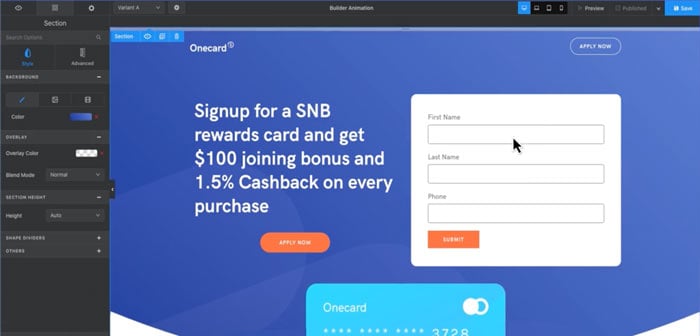
Top Landing Page Builders - Swipe Pages

It doesn’t get better than Swipe Pages for an affordable landing page builder. With a few clicks of your mouse, you can create insanely fast, mobile-optimized AMP landing pages.

With no coding required, it’s one of the top options for marketers and entrepreneurs.

The best part? Swipe Page’s landing page templates give your site visitors an app-like experience. You won’t need to worry about elements squishing together or losing sales because your mobile site sucks.

Top Landing Page Builders - Swipe Pages gives an app-like experience

At $29 per month, you’ll struggle to find another builder offering lightning-fast AMP pages at that price point.

Remember, a one-second delay in page loading times can result in a seven percent reduction in conversions.

With Swipe Pages on your payroll, your conversions will go up. Use the A/B split testing feature (more than two variants are possible) to nip what isn’t working in the bud. You can also leverage dynamic text replacement to personalize the site experience for customers.

This is only the tip of the iceberg for Swipe Pages features. Some of the other tools you’ll have at your fingertips include:

  • multi-step forms
  • Google Analytics & Facebook Pixel integrations
  • variant performance analytics
  • responsive breakpoints
  • performance optimization
  • blend modes
  • parallax scrolling

Essentially, everything you need to create a landing page that drives visitors to take action and boost your bottom line.

Swipe Pages Pros:

  • 40+ high-converting templates
  • 80+ pre-built blocks
  • AMP (Accelerated Mobile Pages)
  • no coding skills required
  • fully responsive multi-screen editing
  • connect to 1000s of third-party apps like Zapier and Mailchimp
  • 1-click Stripe checkouts
  • built-in analytics
  • offers hosting and a custom domain

Swipe Pages Cons:

  • no funnel offering yet (upsells, order bumps, etc.)
  • no heatmaps
  • server-side A/B split testing is only available on the highest-tier plan
  • dynamic text replacement feature is not available on all plans

Swipe Pages Price: Plans start at $29 per month.

Unbounce

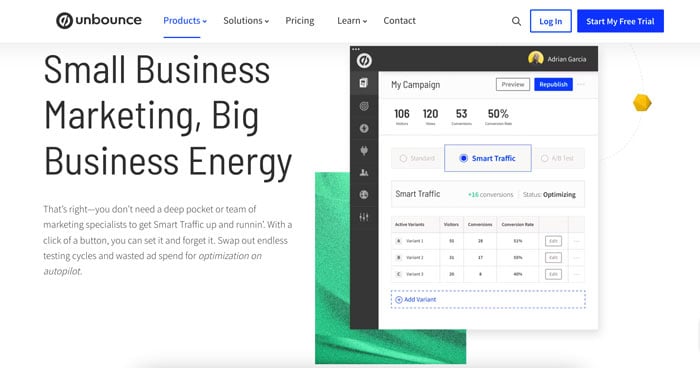
Top Landing Page Builders - Unbounce

Unbounce is the “OG” landing page builder tool. It comes with excellent drag-and-drop features and a strong focus on conversions with the help of its AI-powered Smart Builder.

You’ll find popups, sticky navbars, and plenty of other options to help a visitor take action. Whatever your landing page goal, Unbounce can help you achieve it.

One of my favorite Unbounce features is Smart Traffic. Once you hit 50 page views, the tool automatically sends visitors to the landing page most likely to convert.

Top Landing Page Builders - Unbounce Smart Traffic feature

The only downside? It’s not a beginner-friendly tool.

The learning curve is steep with dozens of tools and integrations, but you’ll reap the rewards if you have the time and want an advanced landing page builder.

At $90 per month for the basic plan, Unbounce is one of the most expensive landing page builders on the market and targets enterprises over small businesses.

If you’re not making money from your leads yet, start with one of the cheaper alternatives like Swipe Pages before making a big investment.

Unbounce Pros:

  • 100+ AI-powered landing page templates
  • integrates with WordPress, Google Ads, Salesforce, Marketo, and other popular emails, CRM, and analytics tools.
  • A/B split testing
  • dynamic text replacement for SEM campaigns
  • AMP-ready mobile pages
  • fast page load speed times
  • add sticky headers, pop ups, maps, scripts, and pixels to pages
  • quickly duplicate pages

Unbounce Cons:

  • expensive
  • high learning curve
  • not beginner-friendly
  • features like redirects and integrations only available on the higher tier plans
  • built-in forms feature has limited options
  • coding skills are required for certain features

Unbounce Price: The Launch plan starts at $90 per month.

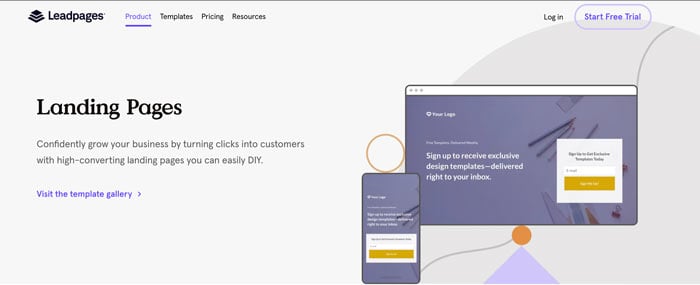
Leadpages

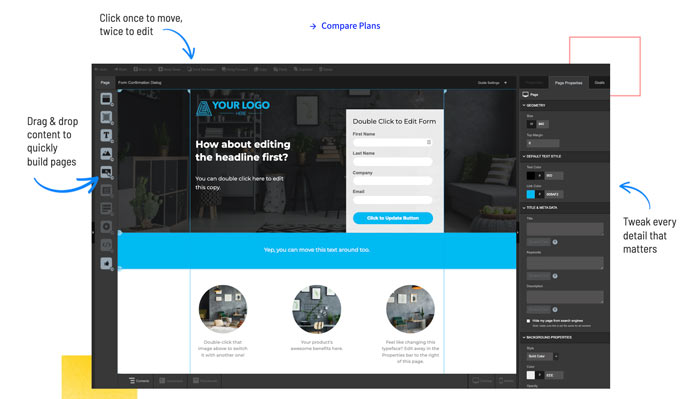
Top Landing Page Builders - Leadpages

Do you need a landing page for your one-product online store or a simple way to build your email list? Leadpages is the solution for you.

It’s perfect for digital products like ebooks, presets, or courses.

With integrations like OpenTable, restaurants can use Leadpages for reservations, and online coaches have access to Calendly to process payments for strategy calls.

It is versatile enough to create a wide range of web pages (with templates to boot) and the attractive price point makes Leadpages stand out from less intuitive options, like Mailchimp.

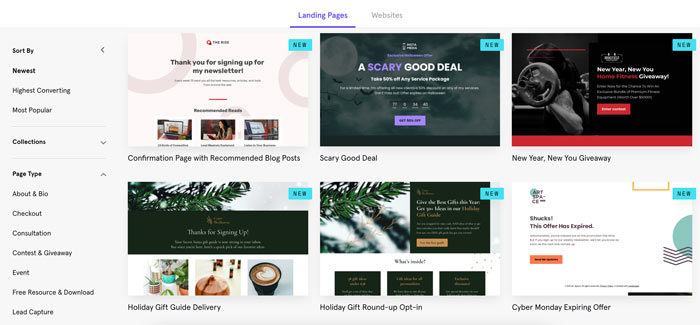
To get your page up and running, select a template and start customizing the look and feel of your landing page. You can add videos, images, and forms. Select pre-styled content blocks from the Sections menu for items like a pricing plan or a standout call-to-action.

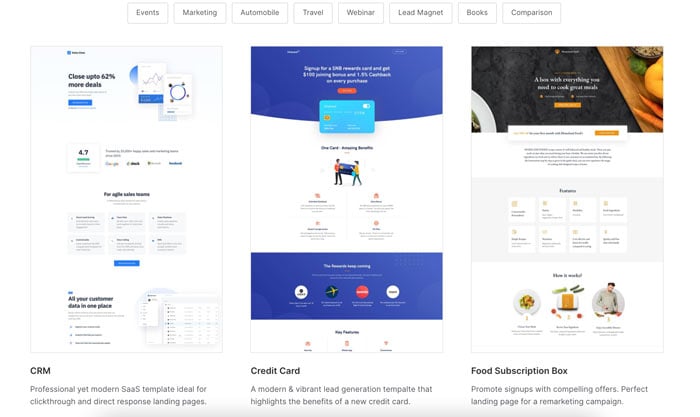
Top Landing Page Builders - Leadpages templates

With built-in conversion guidance, Leadpages almost guarantees you’ll create a landing page that will convert visitors into paying customers.

Leadpages Pros:

  • 2.4 seconds page load speed
  • unlimited page publishing
  • 200+ professionally designed templates
  • mobile responsive pages
  • code-free drag and drop functionality
  • built-in lead optimization tool
  • A/B split tests
  • 40+ integrations
  • low starting price

Leadpages Cons:

  • A/B testing, online payments, email triggers, and advanced integrations are only available on higher-tier plans
  • low tier support
  • not all templates are free
  • templates can make all sites look the same, which isn’t great for branding

Leadpages Price: $37 per month for a standard plan and $74 for a Pro account.

HubSpot

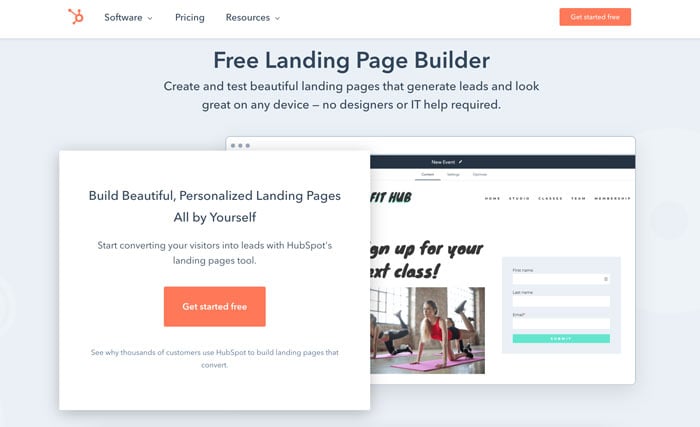
Top Landing Page Builders - HubSpot

HubSpot is one of the leading tools for digital marketers and salespeople. The platform is an all-in-one solution with CRM management, email marketing, blogging, forms, and a landing page builder.

If you’re searching for comprehensive marketing software on a budget, it doesn’t get better than HubSpot’s Marketing Hub package.

Inside the software, you’ll find HubSpot’s landing page builder. It will help you create beautiful pages that generate leads and look great on any device.

The best part? You don’t need to rely on designers or an IT team to knock it out of the park.

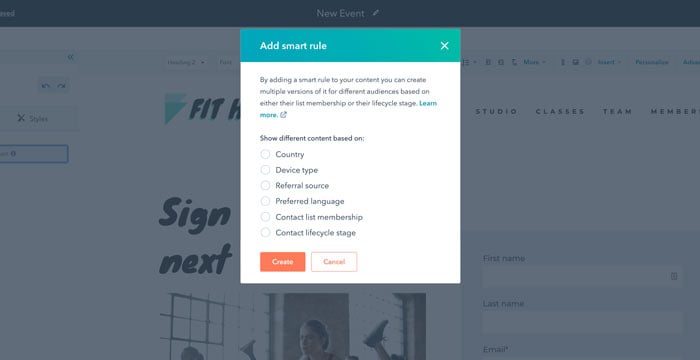
What I love about HubSpot’s landing page builder is the personalization feature. It lets you display different content, CTAs, and forms to improve your conversion rates.

Top Landing Page Builders - HubSpot personalization feature

You can showcase personalized content based on visitors’:

  • location
  • source
  • device
  • lifecycle stage

Why should you care about adding dynamic pages to your repertoire?

Well, when you increase the number of landing pages, you’re likely to see a 55 percent increase in leads.

However, that only happens if visitors get the right information at the right time. HubSpot’s personalization features give you the power to deliver custom content at just the right moment.

HubSpot Pros:

  • built-in library of mobile-optimized templates
  • A/B split testing
  • personalize content based on CRM data
  • easy-to-use drag and drop landing page builder
  • customized SEO suggestions to improve search performance
  • high-quality customer support

HubSpot Cons:

  • only available as part of the Marketing Hub platform.
  • limited features on lower-tier plans.
  • HubSpot branding on the free plan.

Hubspot Price: Free with paid plans starting at $45 per month.

Wix

Looking for a landing page builder that’s simple, affordable, and converts visitors into email subscribers?

Wix is one of the best options on the market.

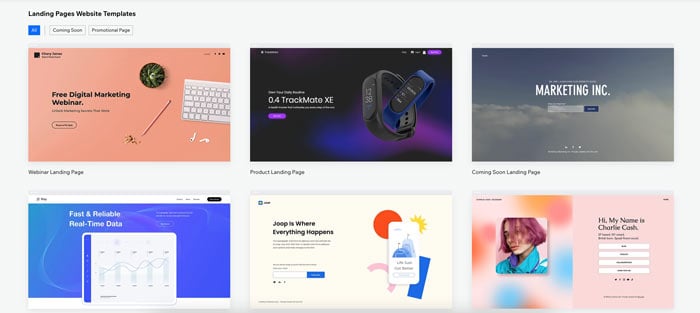
Start with a conversion-optimized template (choose from over 30 options). Use the drag-and-drop editor to add or edit any element on your site. With no coding skills required, it’s an easy process that will have your page up and running in no time.

Once your site is live, Wix has a robust analytics tool to optimize your performance. Connect your Google Analytics, Google Tag Manager, Facebook Pixel, Crazy Egg, or Hotjar to dive deeper into your data, run A/B steps, heatmaps, and gain actionable insights to boost conversions.

The only downside? Wix isn’t the best solution for everyone. The landing page builder targets limited use cases like coming soon pages, webinars, product or app landing pages, and events.

Wix Pros:

  • easy to use
  • beginner-friendly
  • affordable
  • free 30+ templates
  • connects with third-party apps and sites

Wix Cons:

  • limited bandwidth and storage on cheaper plans
  • functionality isn’t as robust as other builders
  • website builder more than a dedicated landing page builder

Wix Price: Plans start at $4.50 per month

Frequently Asked Questions About Landing Page Builders

Why should I use a landing page builder?

A landing page builder simplifies your business, and the learning curve is low. In a matter of hours, you can design and publish a high-converting landing page without hiring a development team. The drag-and-drop features and integrations make landing page builders easy to use and accessible to everyone.

Is it easy to use a landing page builder?

Yes! The whole point of landing page builders is to make the process quick and easy, no matter your skill level. Most use drag-and-drop functionality and offer pre-made templates to help you create a high-converting page in less than a day.

Can you create a landing page without a website?

Yes, you can create a landing page without a website. Instead of directing traffic to a website, you can use the page to drive sales, email subscriptions, or any other conversion goal.

How much does it cost to create a landing page?

If you hire a digital agency to create your landing page, it can cost $1000+. However, landing page builders make building a landing page more accessible, with prices ranging from free to as little as $29 per month. It’s one of the most affordable ways to start building an email list and generating sales for small or enterprise businesses.

Conclusion: Landing Page Builders

When it comes to an effective digital marketing campaign, landing pages are not the place to scrimp.

They’re the best way to drive tons of targeted, specific conversions.

Without one, your visitors are left to fend for themselves on your site. If you’re bidding on specific keywords, don’t waste your ad spend on directing people to a generic home page and hoping for the best.

A landing page builder makes it easy to create and publish a high-converting landing page.

The best part? It will only take a couple of hours to design and hit publish.

Choose one of the landing page builders above and you’ll be driving more leads in no time.

What’s your favorite landing page builder?


from Blog – Neil Patel https://ift.tt/33XyTR2